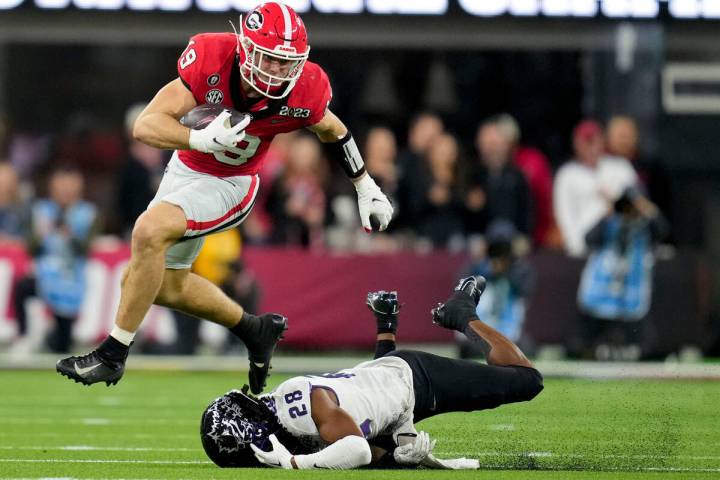
The wait is over. Here is who the Raiders picked with their first-round selection in the 2024 NFL draft.




The wait is over. Here is who the Raiders picked with their first-round selection in the 2024 NFL draft.
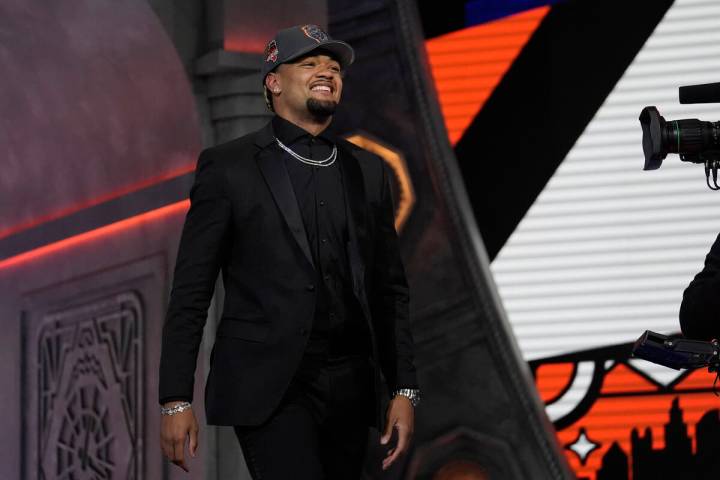
Former Bishop Gorman standout Rome Odunze was selected by the Chicago Bears with the ninth overall pick in the 2024 NFL draft on Thursday.

Two Henderson parents have been arrested on suspicion on child abuse after police found an 11-year-old inside a large metal enclosure inside a residence.

Matt McMullen has been at it for decades. His most realistic creation yet is a supermodel-esque woman with blonde-brown hair who speaks with a mild Scottish accent.

In-N-Out’s “secret menu” includes items ranging from pimped-out cheeseburgers to something called a whole grilled onion.

Sick New World, Holo Holo and the Water Lantern Festival lead this week’s Las Vegas entertainment lineup.

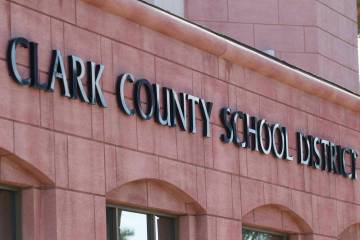
The Clark County School District is looking to make it easier to hire retired employees to fill “critical” vacant teaching, other jobs.

Police were investigating a fight between a substitute teacher and a student at Valley High School, according to the Clark County School District.

The Hylo Park and Gateway Village are two mixed-use projects in North Las Vegas. Though they started at different points, both projects could finish at similar times.

The first incident was reported to have happened about 2:45 p.m. Wednesday and a second incident about 3:10 p.m., both near Paradise Hills Drive and Greenway Road.

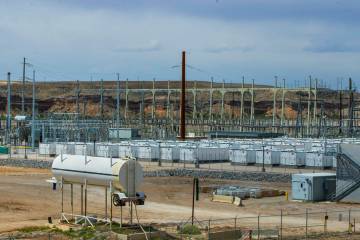
NV Energy held a ribbon cutting ceremony for a $257 million battery facility that can stretch the use of solar power into the night and store energy for about 165,000 homes

Terrell Rhodes pleaded guilty in a Las Vegas court to killing his girlfriend’s 2-year-old son, Amari Nicholson, in 2021.

The Nevada Department of Wildlife is asking the public for help in identifying two suspects. If not found by rangers, the turkeys would have died in the wild.

A key reason the Golden Knights are up 2-0 in their first-round series against the Dallas Stars is the play of their 27-year-old goaltender.

The number of passengers using Harry Reid International Airport in March was the third highest in the airport’s history, with international travel fueling that growth.

Today, we stand at a pivotal crossroads, a moment characterized by the stark contrast between the cautious embrace of technology by our parents and grandparents and the seamless integration of digital tools into the lives of younger generations. The older generations approached each new device with a blend of awe and skepticism, some even steadfastly […]







Locals can watch movies every Monday evening starting in May on the Strip hotel’s 65-foot digital marquee.

The win was one of several recently across the Las Vegas Valley.

Multiple government bodies are attacking the problem of forever chemicals head on, especially with new regulations handed down from the Environmental Protection Agency.

The Raiders and NV Energy joined forces to provide eventgoers at Allegiant Staidum with the ability to charge electric vehicles.