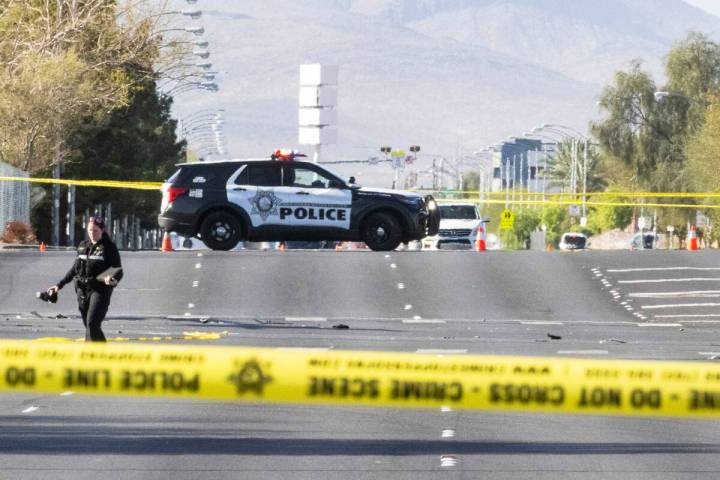
Through March, Nevada roads are proving to be deadlier this year compared with the first three months of 2023.




Through March, Nevada roads are proving to be deadlier this year compared with the first three months of 2023.
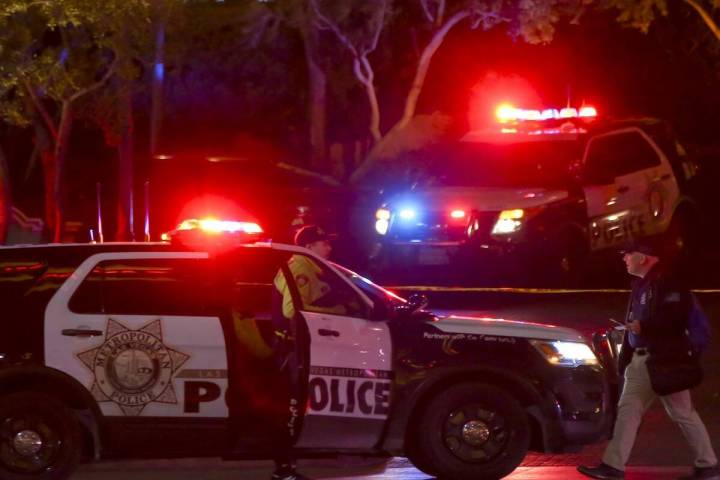
Las Vegas police are investigating a fatal crash that occurred late Sunday night in the west valley.

The Raiders didn’t select a quarterback during the 2024 NFL draft despite needing a franchise passer. So what are their options next year?
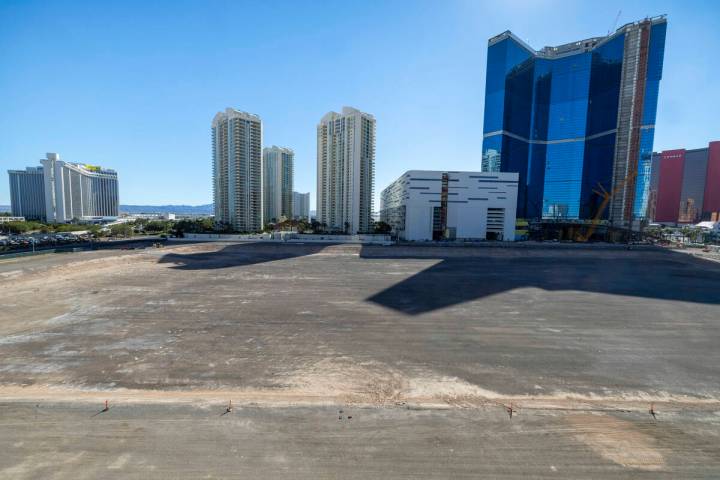
A group of local developers are looking to build a 2,500-room resort with 20,000-seat arena on the former Wet ‘n Wild site once targeted for Jackie Robinson’s All Net Arena.

The richest of the rich live not in a state, but in Washington, D.C., where it takes a salary of $719,000 to land in the top 5 percent of earners.

Southwest Airlines is studying changes to its quirky boarding and seating policies as it searches for ways to raise more revenue.

It’s tough to argue the Raiders hit it out of the park with their 2024 NFL draft class, but maybe stringing singles together is the better path in the long run.

Onofrio “No-No” Zicari, 101, will revisit the spot where he spent the worst hours of his life for the 80th anniversary of the perilous fight.

Taylor Swift, Travis Kelce, and Patrick and Brittany Mahomes are in town for 15 and the Mahomies Foundation Vegas Golf Classic.
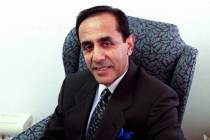
University Medical Center defends the $115,200-a-year contract of an influential doctor, but the public hospital can’t document cases he has reviewed.

Bruno Mars told a packed house Saturday, “At the end of the night, The Pinky Ring turns into a strip club!” He was speaking euphemistically.

A 71-year-old man in a wheelchair was struck by an SUV on Lake Mead Parkway while crossing the street outside of a marked crosswalk.

Sasha Williams’ loved ones struggle to understand why someone would want to hurt the selfless artist described as having “a heart of gold.”

Republican Senate candidates facing off in the June 11 primary are staunch supporters for Israel, but few support sending aid to Ukraine.
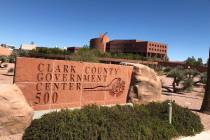
Clark County is making changes to its air quality regulations in an effort to decrease ozone levels in the Las Vegas Valley.

So, it’s time to sell your home. Many factors are involved in the sale of a house and the color and quality of the paint could play a role in this process. In fact, bold colors can distract potential buyers from visualizing themselves living in a home. Buyers are more likely to purchase a home […]





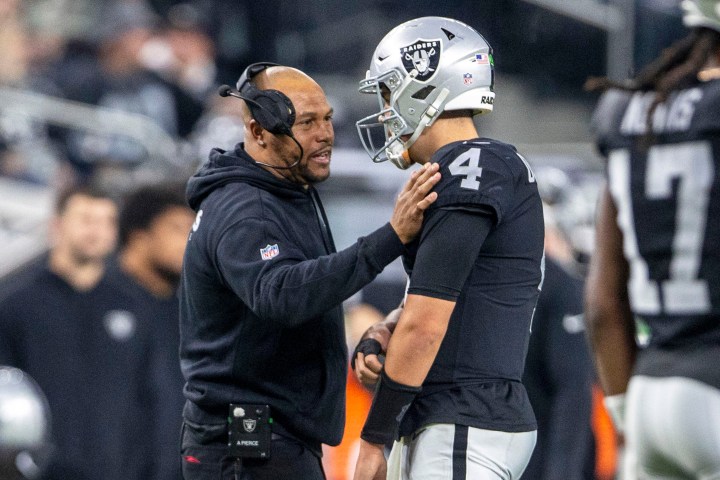
The Raiders didn’t select a quarterback in the first three rounds of the NFL draft, making it all but certain that this year’s starter is already on the roster.

Vegas musician Nina Di Gregorio spent years learning Eddie Van Halen’s epic guitar solo on a customized violin.

Tabatha Tozzi died on April 24, 2023. Police say Tozzi’s then-boyfriend, Oswaldo Natanahel Perez-Sanchez, shot her in the head. He hasn’t yet been caught.

Tropicana owner Bally’s Corp. filed for a commercial demolition permit with Clark County as preparations continue to build a ballpark for the Oakland Athletics.