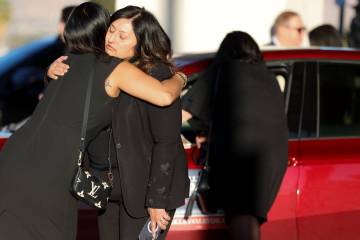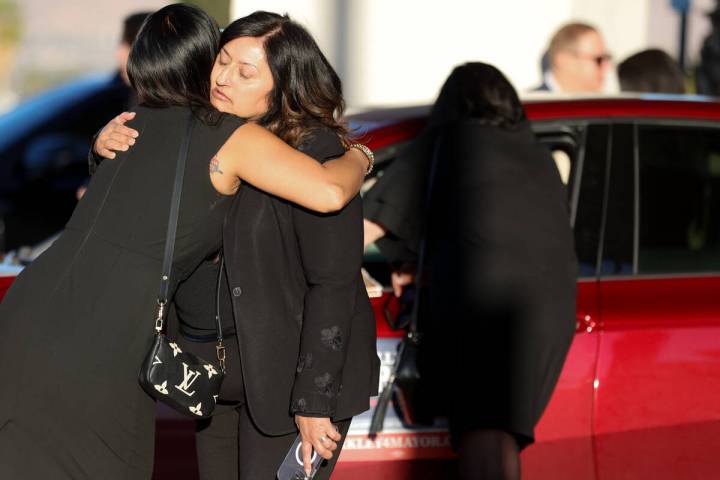
Prince, 57, and his wife Ashley Prince, 30, were shot and killed at a Summerlin law office by lawyer Joseph Houston, 77, who then turned the gun on himself.




Prince, 57, and his wife Ashley Prince, 30, were shot and killed at a Summerlin law office by lawyer Joseph Houston, 77, who then turned the gun on himself.
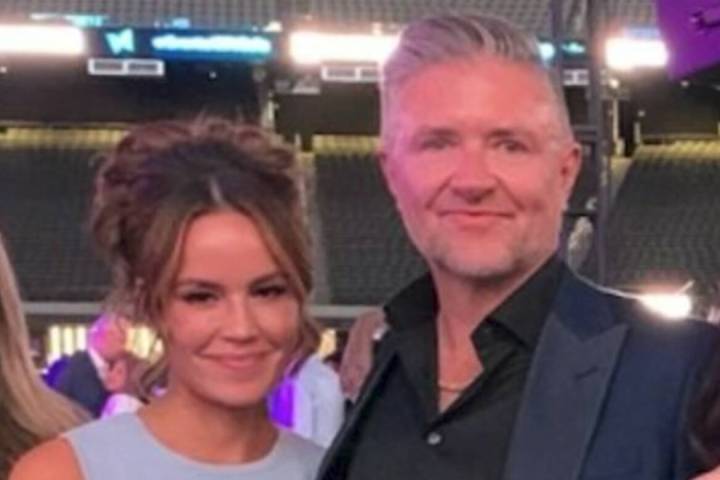
A hearing in the Family Court case between Dylan Houston and Ashley Prince is scheduled for Wednesday afternoon. A judge may determine if media can access proceedings.

The redevelopment will feature restaurants, including a 26,000-square-foot open but covered outdoor dining lounge.
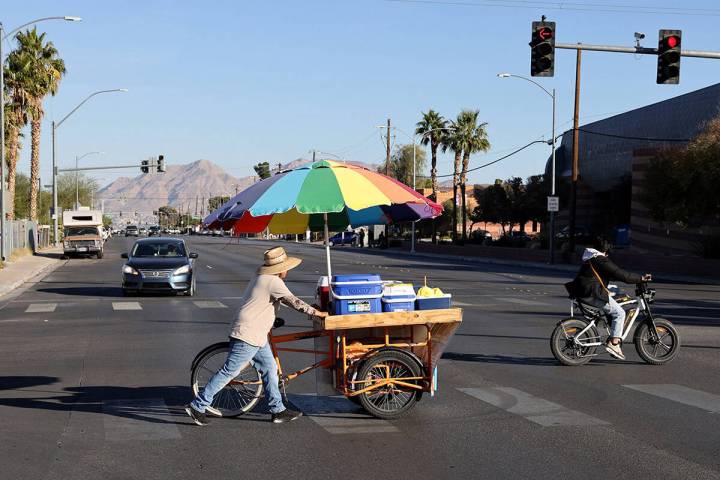
The ordinance unanimously passed by the Clark County Commission lays out licensing requirements and regulations for street food vendors.

Hilton has acquired a controlling interest of the operators of this hotel, but the deal excluded the Vegas location.
Two people are suspected of stealing more than $4,000 worth of pickleball equipment from a southwest Las Vegas Valley store by hiding paddles in their clothing.
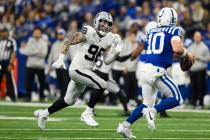
Raiders quarterback Gardner Minshew wore a special outfit to the first day of the team’s offseason program Monday in reference to a nickname Maxx Crosby gave him.

Logan Thompson stopped 22 of 23 shots, and Brayden McNabb, Michael Amadio and Nicolas Roy scored to spark the Golden Knights past the Chicago Blackhawks.

The parents of a woman slain at a Summerlin law firm said their daughter was living in fear of her ex-husband while fighting him in court for custody of their two children.

The Asian-inflected wood-fire barbecue restaurant on the Las Vegas Strip has siblings in Manhattan, Miami and Mexico City.

Jacob Mathis pleaded guilty to voluntary manslaughter for selling a fentanyl-laced pill that led to his friend’s death.
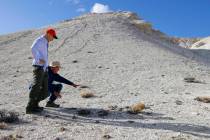
A document detailing the lithium project’s potential harm to air quality, water resources and more is now available for review.
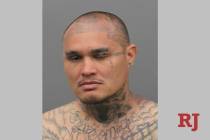
Henderson officers responded to a home in the 1000 block of Robbers Roost Avenue after a report of a home invasion.

The Aviators will go by the Las Vegas Gamblers during a “What If” night promotion Saturday that includes new alternative uniforms, logos and color schemes.

A hit-and-run suspect accused in a crash that killed a pedestrian in North Las Vegas early Saturday was speeding and only pulled over after his car stopped working, according to an arrest report.

Generosity: Any act of kindness or support given without expectation of exchange or return from the recipient(s). The game’s biggest stars remain active one month into the NFL offseason. They may not be running drills on the field, but they practice something more important: generosity. Hall of Fame quarterback Troy Aikman and 2022 NFL Man […]




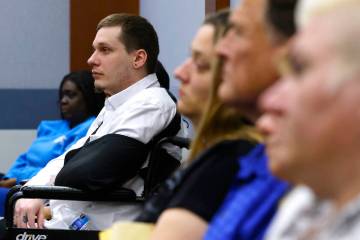
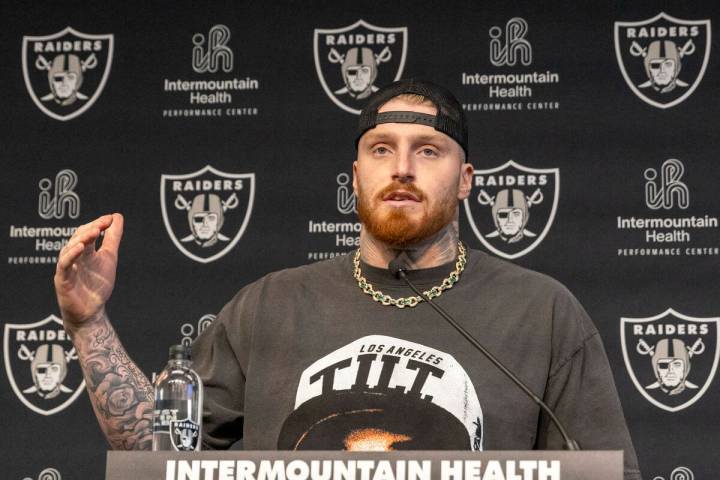
Raiders defensive end Maxx Crosby insisted he wasn’t bothered by Marquez Valdes-Scantling’s celebratory move after the Chiefs won the Super Bowl at Allegiant Stadium.

The young musicians were about $25,000 short of their goal to represent our state at the National Independence Day Parade in Washington until the hit-maker stepped in.

More than half of the 120-acre tech park in the southwest valley is still undeveloped but a film studio and more are in the works.

The mother of prisoner Christian Walker filed a lawsuit against the Department of Corrections, challenging how her son died at High Desert State Prison.