
A 64-year-old woman is facing felony counts of DUI and reckless driving after two pedestrians were killed in a bus stop crash in the east Las Vegas Valley.




A 64-year-old woman is facing felony counts of DUI and reckless driving after two pedestrians were killed in a bus stop crash in the east Las Vegas Valley.
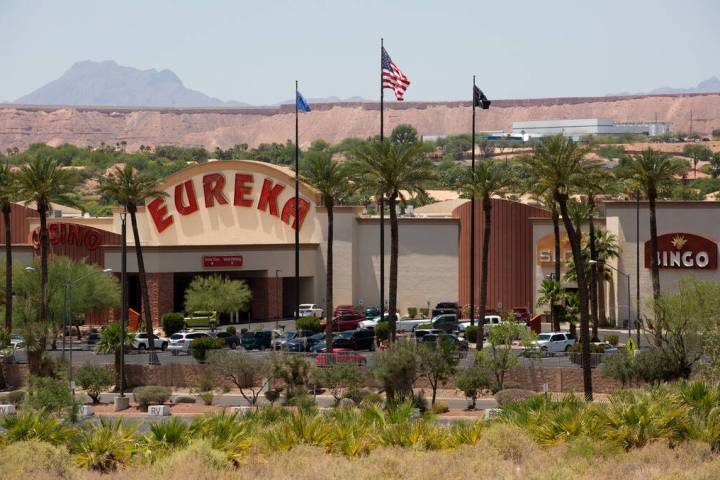
Plans include a complete renovation of the casino-resort and further development of 35 unused acres behind it.
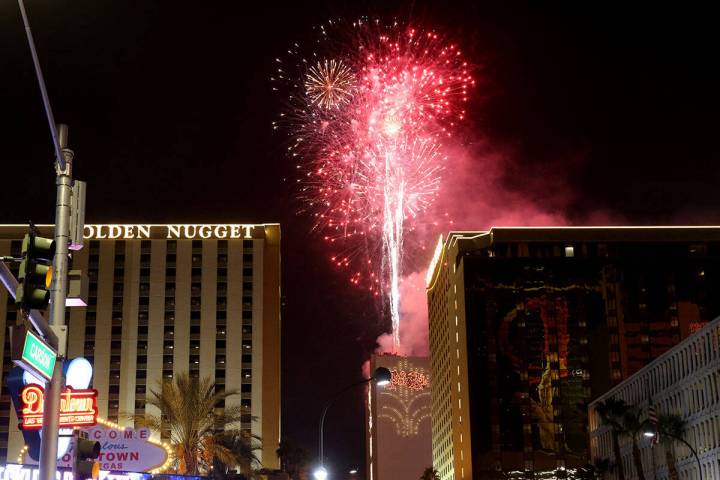
A Las Vegas casino is bringing a Disneyland staple to the skies above downtown. Here’s when it will begin.

The Golden Knights will begin their quest to win a second straight Stanley Cup on Monday. Check out the full schedule of their first-round series against Dallas.

The driver’s death marks the 51st traffic-related fatality in Metro’s jurisdiction for 2024.

Panelists talked about their own birthing experiences, disparities in Black maternal health, and how to close those gaps, during an event hosted by the Biden campaign.

Nevada’s highest court unanimously ruled that a state ban on ghost guns is constitutional, overturning a lower court’s decision.

The Golden Knights lost to the Anaheim Ducks in the regular-season finale Thursday at T-Mobile Arena and fell to the second wild-card berth in the Western Conference.

North Las Vegas police responded about 11 a.m. to an apartment in the 3400 block of Mercury Street after reports of a child not breathing.

After seeing videos of the felon grabbing casino chips from tables, commissioners voted unanimously to place him on the List of Excluded Persons.

One of the Raiders’ few holes on defense is at cornerback. The good news for them is that this month’s draft class gives them plenty of options to fill it.

Two companies hope to have their platforms live in the state within the next year.

Fake pages on the delivery platforms direct orders to other restaurants. Acclaimed chef James Trees called out one of the pages in an online post.

The Nevada Supreme Court upheld a $48 million award to the owner of Las Vegas’ defunct Badlands golf course, as part of a long-running land-use dispute with the city.






The Asian-inflected wood-fire barbecue restaurant on the Las Vegas Strip has siblings in Manhattan, Miami and Mexico City.

About 30 robberies/attacks on letter carriers have occurred in the valley over the past three years, a National Letter Carriers Union spokesman said.
Plans include a complete renovation of the casino-resort and further development of 35 unused acres behind it.

Former NFL star Tom Brady, a minority owner of the Las Vegas Aces, wrote the entry in Time magazine explaining A’ja Wilson’s inclusion on the most influential list.