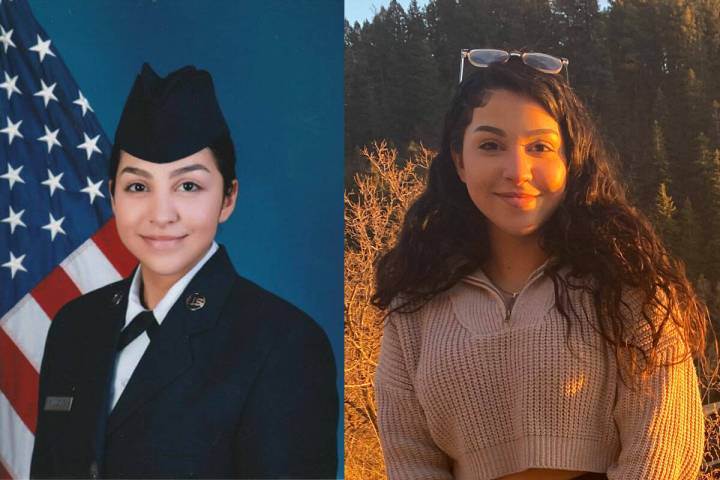
Natalie Villegas, who served in the U.S. Air Force at Creech Air Force Base, was killed by a suspected impaired driver on Saturday. Her father hopes to honor her life and find justice.




Natalie Villegas, who served in the U.S. Air Force at Creech Air Force Base, was killed by a suspected impaired driver on Saturday. Her father hopes to honor her life and find justice.
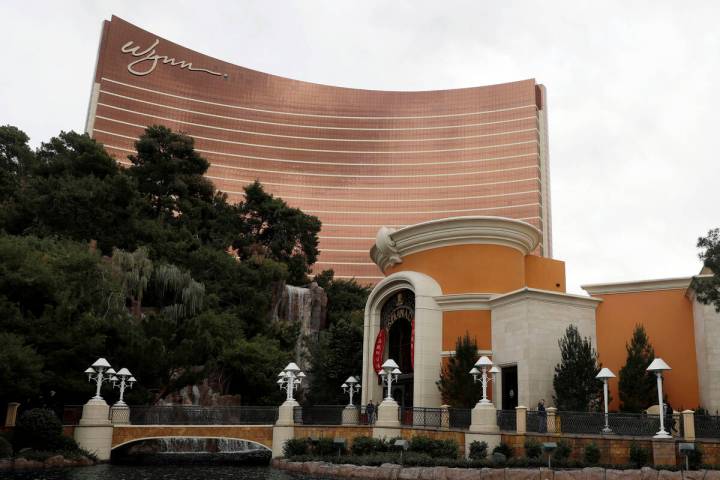
The Las Vegas hotel-casino confirmed the exec will leave the company for a new position.
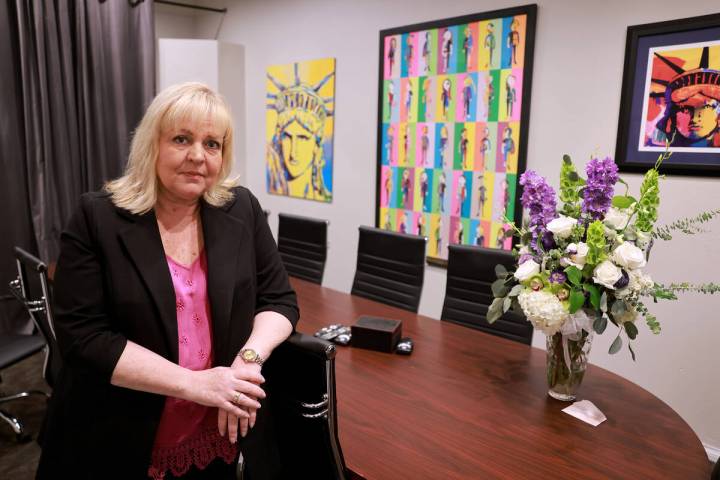
When Lisa Rasmussen pulled into the parking lot of Prince Law Group, she knew the deposition would be intense. She had no idea it would turn deadly.

The balmy ease of the French Riviera inspires this French-Mediterranean spot.
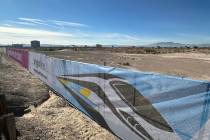
Transportation Secretary Pete Buttigieg is expected to attend the ceremony for the Las Vegas-to-Southern California high-speed train system.
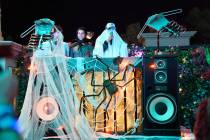
Ross Mollison was dressed as a ghost while praising the humans at the Strip juggernaut “Absinthe” 13th anniversary party on April 10.

Raiders fans continue to have quarterbacks on their minds with the NFL draft less than a week away. But it’s not just Jayden Daniels they are asking about.

Five people have been arrested in connection with a double homicide committed nearly two years ago.

The county will spend a little over $2 million to purchase several dozen 2024 Ford Mustang Mach-E SUVs.

A Las Vegas casino is bringing a Disneyland staple to the skies above downtown. Here’s when it will begin.

Phish’s wild audio-visual production creats such a heightened sensation you don’t need assistance.

The Golden Knights will begin their quest to win a second straight Stanley Cup on Monday. Check out the full schedule of their first-round series against Dallas.

A 64-year-old woman is facing felony counts of DUI and reckless driving after two pedestrians were killed in a bus stop crash in the east Las Vegas Valley.

People in the building during the shooting deaths of Dennis Prince, wife Ashley and suicide of the shooter, Joseph Houston II, begged 911 operators for police to arrive.
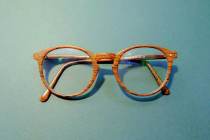
Eye care is more important than ever in today’s digital world. With most professions requiring much screen time, your eyes get tired quickly. However, you still need to protect your eyes when entering the world. We always think about sun damage to our skin, but UV rays can also cause cataracts and other eye problems. […]





The Asian-inflected wood-fire barbecue restaurant on the Las Vegas Strip has siblings in Manhattan, Miami and Mexico City.

The Golden Knights lost to the Anaheim Ducks in the regular-season finale Thursday at T-Mobile Arena and fell to the second wild-card berth in the Western Conference.

Plans include a complete renovation of the casino-resort and further development of 35 unused acres behind it.

Former NFL star Tom Brady, a minority owner of the Las Vegas Aces, wrote the entry in Time magazine explaining A’ja Wilson’s inclusion on the most influential list.